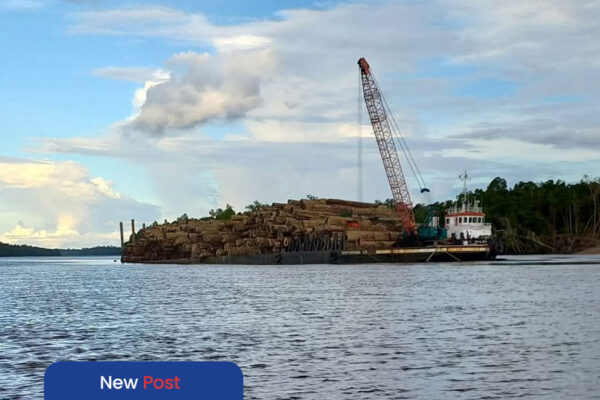
Heavy Cargo and Heavy Lifter Vessel Shipping
In the complex world of maritime transportation, heavy cargo and heavy lifter vessel shipping has emerged as a critical component of global trade, especially in infrastructure, energy, and industrial sectors. Unlike conventional cargo, heavy cargo refers to goods that are unusually large, overweight, or awkward in shape, requiring special handling and equipment during transport.
The use of heavy lift vessels enables the safe and efficient transport of these oversized loads across oceans, providing crucial support for major industrial projects worldwide. This article explores the fundamentals of heavy cargo shipping, the unique features of heavy lifter vessels, and why this sector is vital for global logistics.
What is Heavy Cargo?
Heavy cargo typically includes items such as:
-
Power transformers
-
Industrial boilers
-
Oil and gas modules
-
Construction machinery
-
Wind turbines and blades
-
Ship engines
-
Pre-fabricated bridge sections
-
Mining equipment
Due to the extreme weight and size, these cargoes require vessels that can provide both lifting strength and deck space, which is where heavy lifter vessels come into play.
What Are Heavy Lifter Vessels?
Heavy lifter vessels are ships designed specifically to transport large and heavy loads that cannot be handled by standard container ships. They are equipped with powerful cranes and reinforced structures that allow them to carry extremely heavy cargo both on deck and in the cargo hold.
There are two primary types of heavy lift ships:
-
Semi-submersible vessels: These ships can partially submerge to allow floating cargo (like oil rigs or large boats) to be floated on or off.
-
Lift-on/lift-off (LoLo) vessels: Equipped with onboard cranes to lift heavy cargo on and off the deck.
An example of a well-equipped vessel in this segment is Nusantara Pelangi, with a 40-ton crane, 4500 m² bale space, and DWT of 4000 tons — an ideal candidate for various heavy cargo needs.
Why Choose Heavy Lifter Shipping Services?
There are several compelling reasons to use heavy lifter vessels for transporting oversized cargo:
-
Efficiency
These vessels offer direct point-to-point service, reducing the need for complex inland transfers. -
Safety and Stability
Heavy lifter vessels are built to handle difficult cargo safely, with strong securing mechanisms and stability systems. -
Specialized Equipment
Equipped with cranes of up to 1000+ tons capacity, these ships handle loads that shore-based equipment cannot. -
Cost Savings on Complex Logistics
Reducing multiple handling processes leads to lower risk, fewer damages, and optimized project schedules. -
Flexible Port Access
Many heavy lift vessels are designed to access ports with limited infrastructure using their own onboard cranes.
Industries Relying on Heavy Cargo Shipping
Heavy cargo and heavy lifter vessels are indispensable to a variety of sectors:
-
Oil & Gas: Transportation of drilling modules and offshore platforms.
-
Renewable Energy: Wind turbine blades, nacelles, and tower sections.
-
Construction & Infrastructure: Bridges, highway beams, and prefabricated buildings.
-
Mining: Heavy machinery such as excavators, crushers, and conveyors.
-
Power Generation: Transformers, generators, and turbines.
Planning and Execution: A Critical Process
Transporting heavy cargo isn’t just about having a big ship; it involves detailed planning, including:
-
Route and Port Feasibility Studies
-
Load Distribution Planning
-
Custom Cradle or Skid Design
-
Lifting & Securing Schemes
-
Customs and Regulatory Compliance
Leading shipping providers often work closely with project managers, engineers, and logistics teams to ensure everything runs smoothly from loading to final delivery.
Heavy Lift Capable Vessels in Indonesia
Indonesia, with its growing industrial and infrastructure development, is a strong market for heavy cargo transport. Ships like KM Lucky Ship and KM Nusantara Pelangi are examples of reliable multipurpose and heavy lifter vessels operating under the Indonesian flag, serving domestic and regional routes.
Equipped with features such as:
-
Gross Tonnage up to 2150 GT
-
Crane capacity of 40 tons
-
Bale space of 4500 m²
-
Engine power exceeding 700 KW
-
Navigation and communication tools like VHF, GPS, radar
These ships support the growing demand for heavy equipment transport across the archipelago and beyond.
Conclusion
In an age where infrastructure and energy projects are expanding globally, heavy cargo and heavy lifter vessel shipping is no longer a niche service but a critical link in the logistics chain. From transporting massive wind turbines to moving offshore oil platforms, heavy lift shipping ensures that oversized and overweight cargo arrives safely and on time.
By investing in capable vessels and expert planning, companies can optimize their logistics for even the most complex cargo requirements. Whether it’s for domestic delivery or international project execution, heavy lift shipping offers unmatched reliability, safety, and flexibility.